
Expert Local Citation Management Manual 2026
Building local citations is critical to getting your business discovered in local searches and Maps results. An effective local SEO plan audits your Google Business Profile (GBP), consistent NAP, site performance, reviews, backlinks, and local content. When these align, your odds increase to surface in the Local 3-Pack, which captures a large share of local clicks.
In 2026, performance and UX are bigger priorities than ever. Rely on platforms like Keyword Planner by Google, Ahrefs, and SEMrush to pick the best keywords. After that, map those keywords in your directory listings and on your website. Field experience indicates for SMBs, mixing citation work with GBP upkeep and review flow often doubles local organic leads.
Here you’ll learn to scale your citation program. You’ll use a step-by-step framework that works for businesses with single or multi-location setups in the United States. Follow these search engine optimisation Lincoln steps to launch a citation workflow that boosts your local visibility and brings in high-intent leads.
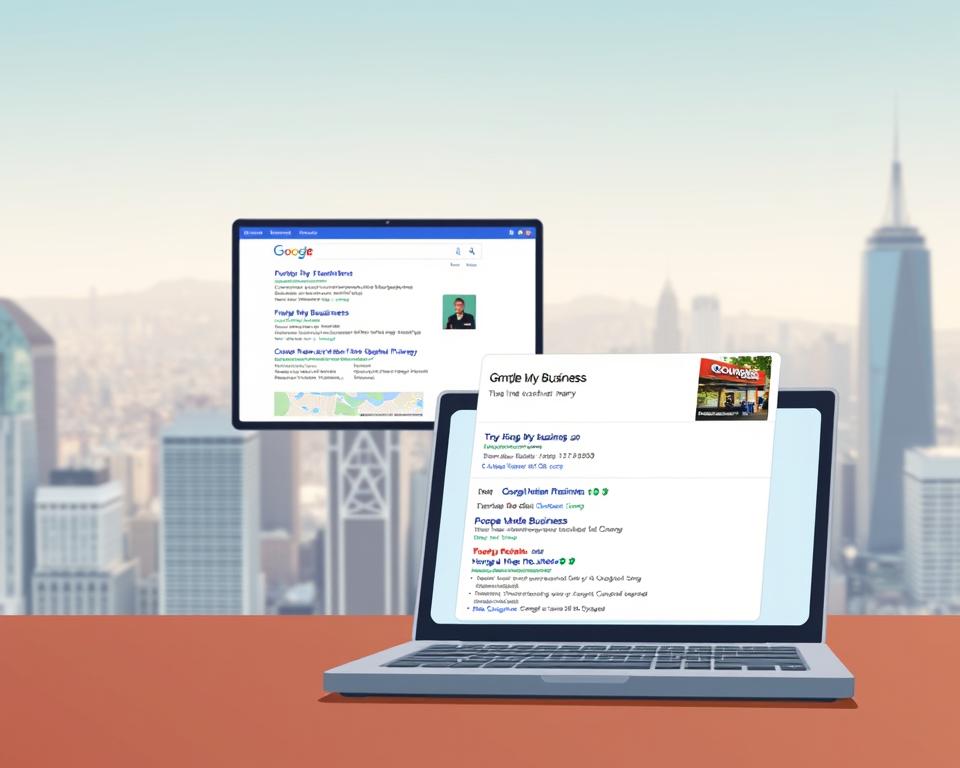
What You’ll Learn
- Citations are the base of local visibility and support GBP performance.
- Evaluate GBP, NAP, technical health, and reviews to find areas to improve.
- Leverage Keyword Planner, Ahrefs, and SEMrush to align citations to searcher intent.
- Citation execution combined with GBP upkeep often double local organic leads.
- This guide offers a repeatable process for SMBs and enterprise multi-location teams in the U.S..
Why Citations Still Matter in 2026
Search is always changing, and so is the role of citations in local SEO. Having your business listed consistently across different directories lets Google corroborate your information. That verification strengthens local visibility and makes it easier for people to find you.
How citations act as trust signals for Google
Local citations are like proof that your business is real and up-to-date. When big platforms like Google My Business present matching details, that consistency builds trust. As a result, trust increases.
Clean citations minimize mismatches. Modern systems cross-check multiple sources to verify details. When your details match up, you’re more likely to show up in local search results.
Citations in the Local Ranking Mix
Citations are a big deal for local SEO, representing a notable share of ranking inputs. GBP remains the largest single factor, citations add support. They intersect with your website to reinforce topical relevance.
Maintaining a complete, active GBP is crucial. Pair strong citations with on-site optimization and consistent updates will help you rank better in local searches.
How AI Changes Citation Value
AI-driven models have grown more nuanced. Now, they consider things like user intent and review sentiment. This means high-quality citations are even more important for demonstrating authenticity.
AI also looks at how people interact with your business. When citations align with real activity—such as phone calls and site visits—that increases confidence. To meet AI’s expectations, prioritize a clean citation footprint and keep your GBP active.
To keep an edge, list in trusted directories and maintain consistent NAP. Track changes in a sheet and retain version control. These steps will help your local SEO efforts thrive in the AI-driven world of search.
Local citation building guide
A clear plan powers local visibility from citations. This guide offers a strategic program for 2026. It focuses on a repeatable audit, prioritized sources, and a single master sheet for accountability.
Inside a 2026 Citation Program
Begin with a seven-step local SEO audit. This includes checking GBP, NAP consistency, and technical SEO. Then review on-page local factors, reputation, and a dedicated citation audit.
Then, use tools like Whitespark, BrightLocal, or Moz Local to gather existing listings. That exposes ownership gaps and dupes.
Source Priorities: Industry + Locality
Focus on quality over quantity. Major data aggregators like Data Axle and Factual are key. Also target niche directories such as Healthgrades for medical practices and Avvo for attorneys.
Map priorities with Ahrefs and SEMrush. If a directory appears for your local terms, treat it as high priority. Add hyperlocal options like chambers for a more targeted approach.
Master Tracker and Process
Create a single Google Sheet as your central hub. Capture URLs, credentials, canonical NAP, and status. Keep it lean.
Define the workflow: initially export listings, verify top listings, update the sheet, and schedule regular checks. If using a citation service, merge reports into your sheet for consistency.
| Item | Why It Matters | Action |
|---|---|---|
| GBP Review | Validates your main listing | Confirm ownership, pick categories, set hours, add services |
| NAP Consistency | Prevents ranking confusion and duplicate listings | Lock a canonical NAP and document it |
| Core Aggregators | Feed many secondary directories and boost distribution | Submit/claim at major aggregators |
| Niche Directories | Add topical relevance and referrals | Prioritize Healthgrades, Avvo, Houzz depending on industry |
| City/Community Sources | Strengthen local entity signals | Target chambers, city directories, and community sites |
| Master Log | Keeps a single truth source | Use Google Sheets with scheduled quarterly reviews |
| Intent Mapping | Connects citations to demand | Use Ahrefs or SEMrush to score directories by keyword value |
| Maintenance Cadence | Prevents data drift | Quarterly manual checks + automated exports |
Citation Audits: Process and Checklist
Begin by quickly scanning where your business is listed online. Tap BrightLocal, Moz Local, Whitespark to surface listings, spot NAP mismatches, and spot duplicates. These platforms speed up triage and fixes.
Use a 7-step checklist for coverage. Keep tasks atomic and verifiable. This way, you can track your progress in a detailed citation sheet.
Top tools for inconsistency checks: BrightLocal, Moz Local, Whitespark
BrightLocal scans major directories and local citations. Moz Local highlights formatting issues and sync problems. Whitespark surfaces obscure directories and duplicates. Use all three to double-check your findings and reduce errors.
Citation-Centric Seven Steps
- Review GBP: verify ownership, primary category, services, and attributes.
- Standardize and verify NAP with tool exports.
- Check tech SEO via GSC and PSI focusing on CWV.
- Audit on-page local SEO: title tags, location pages, and LocalBusiness schema.
- Conduct a reputation audit for review volume, velocity, and flagged issues.
- Audit citations and links: identify duplicates, claim profiles, and mark profiles to repair.
- Review content and engagement metrics to prioritize citation building strategies.
How often to run citation audits and what to monitor monthly
Run quarterly full audits to surface major shifts. Monthly, check GBP/reviews/NAP. Track ranks and competitors weekly to spot quick changes.
| Platform | Audit Focus | Tool Suggestions | Action Example |
|---|---|---|---|
| Google Maps | Dupes, address accuracy, pin placement | BrightLocal, manual search | Merge or report duplicate and correct coordinates |
| Yelp Listings | Category, business hours, phone number | Moz Local + manual | Claim profile and update category selection |
| Industry directories | Outdated addresses, broken links, missing services | Whitespark, BrightLocal | Submit update requests and add missing service details |
| Local chambers & civic sites | Presence, citation completeness, backlinks | Whitespark + manual | Claim listing; add full NAP |
| Aggregators (data partners) | Feed accuracy, distribution | Moz Local, BrightLocal | Correct core NAP at source and re-submit to aggregators |
Use GSC and PSI each audit for technical metrics. Target CWV: LCP < 2.5s, INP < 200ms, CLS < 0.1. These metrics help improve local visibility and strengthens off-site synergy.
Work efficiently: export listings from Whitespark and BrightLocal, verify top-20 listings, claim unclaimed profiles, clean dupes, and add niche or hyperlocal citations. Track every change in the master log. This supports KPI tracking.
GBP Citations & Optimization
Verify ownership of GBP before changes. It prevents unauthorized dupes. Once you’ve verified, pick the best-fitting primary category. Primary category drives visibility.
Choose carefully. Match it tightly to services. Add secondary categories sparingly.
Keep all GBP fields accurate. Write clear descriptions of your services and list any specialties. Mention coverage areas and differentiators.
Use keywords that people in your area might search for. Configure appropriate attributes to help people find you.
Visuals matter for engagement. Keep visuals fresh. This will help people trust your business more.
Prompt reviews and respond promptly. This shows that you value your customers’ opinions. It also helps build trust with new customers.
Use GBP Insights for performance. Look at the questions people ask, the actions they take, and how often they view your photos. It guides improvement.
Keep your GBP data consistent with your other online listings. Consistency reduces confusion. Follow Marketing1on1’s advice to align fields.
Use Insights to prioritize citations. This will help you stay competitive online.
| Task | Why It Matters | Frequency |
|---|---|---|
| Confirm ownership | Secure control and prevent duplicates | One-time, confirm annually |
| Select primary and secondary categories | Primary drives rank; secondary adds breadth | Quarterly review |
| Complete services and business description | Improves matching for local queries | Update when offerings change |
| Set attributes | Enables better filtering | Twice yearly |
| Upload photos and videos | Increases engagement | Weekly–monthly |
| Generate and respond to reviews | Improves trust and conversion | Ongoing; respond in <48h |
| Monitor GBP Insights | Guides priorities and content | Weekly |
| Align GBP with citation sheet | Maintains NAP consistency | Monthly audit |
NAP consistency and duplicate listing removal
Consistent NAP is critical to local visibility. Small variations split signals. Ensure exact name/address/phone across listings to avoid trust issues.
Common pitfalls: different suffixes, St. vs Street, extra neighborhood labels. These cause duplicates and reduce trust. Define one canonical format and enforce it.
Exact NAP Formatting: Why It Matters
Uniform NAP signals one entity. However, tiny differences confuse systems. Phone punctuation and suite omissions fragment signals.
Watch suffixes, abbreviations, phone formats, and extra branding. Fixing these issues can quickly improve your local presence.
Finding and removing duplicate listings across major platforms
Start by using tools like Moz Local, BrightLocal, and Yext to locate duplicates. These tools show you where the problems are and how big they are.
For big platforms like Google Maps, Yelp, and Apple Maps, claim or merge duplicates yourself. If blocked, contact support.
Automation vs. Manual Corrections
Automated tools like Data Axle, Foursquare, and Localeze can update hundreds of sites quickly. This is great for getting started or making big changes.
For top/niche listings, verify manually. That ensures accuracy and completeness.
| Task | Automated Tools | Manual Action | When to Use |
|---|---|---|---|
| Bulk scan for discrepancies | Yext/Moz Local/BrightLocal | Review flags | Monthly or quarterly |
| Initial distribution | Data Axle/Foursquare | Verify top listings | Rollout/large updates |
| De-duplication | Automated merge suggestions | Support tickets; manual claims | High-impact directories and persistent duplicates |
| Critical listings verification | Tool reports for priority list | Manual claims on major/niche sites | Post-automation or audits |
| Ongoing tracking | Tool alerts | Log every change | Continuous maintenance |
You can use a citation service for speed, but ensure they follow this framework. Automate scale; manual for precision. Keep a detailed record of all updates in your local citation guide.
Where to List for Maximum Impact
Focus on citation sites and niche directories that truly drive visibility and referrals. Start by mapping the high-impact platforms. Layer in niche citations. Include hyperlocal sources for trust and links.
Claim the key structured platforms. Complete profiles on GBP/Maps, Yelp, Apple Maps, BBB. Keep NAP exact and fill all fields so search engines and users trust your listing.
Submit to Data Axle, Foursquare, Neustar Localeze, Factual. They distribute to a wide network, expanding your presence without repeating manual entries.
Next, focus on industry-specific citations. For medical practices use Healthgrades, Zocdoc, Vitals, and RateMDs. Legal: Avvo, Justia, FindLaw. Contractors: Houzz, HomeAdvisor, BuildZoom, Thumbtack. Therapists: Psychology Today, Autism Speaks.
Select 2–3 niche platforms per location. Relevance over raw count when you follow a local citation building guide that favors relevance and accuracy.
Hyperlocal citation opportunities often deliver the best leads. Join your chamber of commerce, add your business to city and municipal directories, get on tourism portals, and appear on community newspaper and neighborhood association pages.
Sponsorship, BID sites, and blogs yield mentions and clicks. They reinforce local credibility and attract high-intent traffic.
Build a compact plan. Map structured platforms, complete niche profiles, join chambers strategically, and track every listing and backlink in your master citation sheet. That organization mirrors best practices.
- Core platforms: GBP/Maps, Yelp, Apple, BBB
- Key aggregators: Data Axle, Foursquare, Localeze, Factual
- Vertical examples: Healthgrades, Avvo, Houzz, Zocdoc
- Local civic targets: chambers, city directories, community sites, local newspapers
Strengthening Citations with On-Site Signals
To enhance citation value, you need on-page and technical signals. Aligning markup, performance, and location content helps search engines trust your listings, making them more likely to show up in relevant searches.
Use LocalBusiness + FAQ Schema
Place LocalBusiness JSON-LD on each location/service page. It encodes NAP/hours/categories. Include FAQ schema where relevant to increase CTR.
Add review schema when warranted. Submit an XML sitemap that lists your local landing pages and service pages. That speeds indexing in GSC.
Performance & Mobile Experience
CWV strongly influences local UX. Target LCP < 2.5s, INP < 200ms, CLS < 0.1. This improves mobile speed, raising satisfaction and actions.
Optimize images, trim JavaScript, enable caching, and use responsive design to improve mobile UX. Monitor with PSI and run regular audits to stay competitive.
Location Pages, Maps, and Structured NAP
Create unique location pages for each service area. Add local cues like neighborhoods, landmarks, team intros. Embed maps and include structured NAP in multiple spots to align with directory data.
These pages link on-site signals to off-site citations. When your pages load quickly and include clear schema, citations and local pages work together to improve visibility.
Backlinks & Unstructured Mentions from Citations
Start by treating citations and links as one local trust system. Citations validate NAP/coverage. Local backlinks from chambers of commerce, local news sites, and community blogs boost that verification. Pair cleanup with outreach for best results.
Focus outreach on high-authority local sources you can actually earn. Civic/association pages are stable link sources. Local news outlets and industry blogs send referral traffic and strengthen your domain authority when they mention your business.
Unstructured mentions lack structured fields. Press coverage, local blog posts, event sponsor pages, and university listings often include NAP context. They lift relevance even without structured entries.
Use Ahrefs and SEMrush to find who links to competitors and who mentions local businesses in your area. Run a backlink audit to flag low-quality links for removal or disavowal. Prioritize outreach to sites that already cover local stories or industry topics.
Create localized content that editors want to link to. Case studies, community data, event recaps, and sponsorship acknowledgements work well. Provide easy-to-use copy and images.
Blend citation strategy with outreach. Do cleanup + media outreach + sponsorship + shareable assets.
Track results in the master sheet. Record backlinks, mentions, source pages, dates. Let data guide scaling and targeting.
Reviews & Reputation to Amplify Citations
Your reviews greatly affect how people see your business in local searches. Count, quality, freshness, and response speed are key. Many shoppers skip businesses under 4 stars. Therefore, consistent review flow is vital to improve local SEO.
Make a simple plan to get more reviews. Service: send SMS/email post-visit. In-store, use QR/receipts. Delivery: include GBP review link. Avoid multi-site asks; choose one.
Respond to every review in <48 hours. That shows care. Weave in local keywords and service tone.
Track reviews across platforms with BrightLocal/GatherUp/Birdeye. Do monthly reputation checks and tie to visibility.
To keep improving, integrate citations, GBP, and review ops. Citation accuracy boosts trust. And when you handle reviews well, more people will visit or book with you. Together, they can meaningfully improve results.